
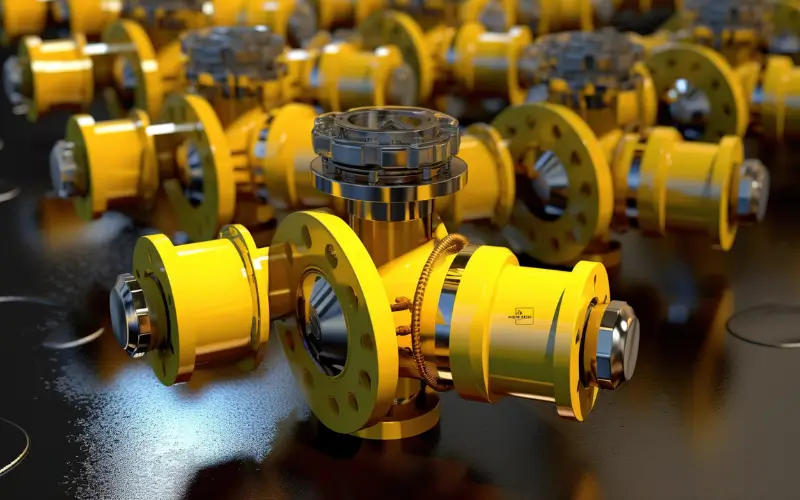
Casting spare parts from the core of modern industrial processes. All across the industry, companies and operators of equipment use cast parts to guarantee durability, mechanical strength, and a lengthy service life. The flexibility of casting metal permits spare parts to be made in complex designs, sizes that vary, as well as a variety of different materials. They are appropriate for the most demanding industrial settings.
This article examines how casting spare parts can be used throughout different sectors, and outlines the importance of their function, requirements for specifications for performance, as well as real-world usage scenarios.
Role of Casting Spare Parts in Industrial Operations
In industrial environments, equipment is prone to downtime that can result in large financial losses. Spare parts made of casting serve a crucial function in repair, maintenance, or replacement by providing cost-effective and durable solutions. The components are built to stand up to mechanical strain, extreme temperatures, pressure, and constant operations.
The capacity of casting processes to create strong and dimensionally solid parts makes them indispensable in industries that need durability and flexibility.
Automotive Industry Applications
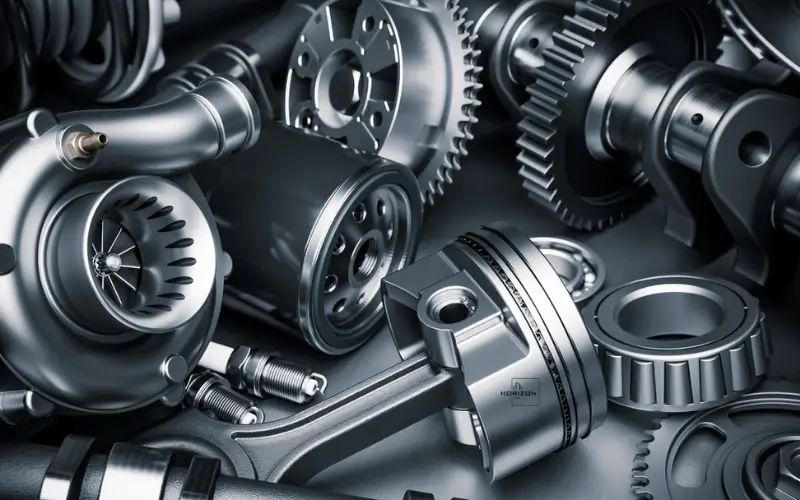
The automobile industry is among the biggest producers of cast spare components. Automobiles depend heavily on casting parts for structural as well as functional purposes. Cylinder heads, engine blocks and brake housings, transmission housings, and suspension components are typically made using casting techniques.
Casting spare parts for automotive manufacturing must satisfy the strict standards for durability, thermal resistance, as well as dimensional precision. Cast iron, aluminum alloy, and ductile iron are employed to ensure durability while the reduction of weight. The cast parts contribute directly the overall performance of the vehicle in terms of fuel efficiency, performance, as well as safety.
Manufacturing and Industrial Machinery Applications
Manufacturing facilities require casting spare parts are crucial in order to keep production lines running. Industries’ machinery, such as compressors, conveyors, and presses, pumps, and gear systems, is dependent on the casting of components for the structural strength and load-handling.
Machine frames, housings for bearings, casings for gears, and pump bodies are usually made using the process of sand casting or investment casting. The spare parts are made to withstand friction, vibration, as well as continuous mechanical stress. This makes casting the ideal method of manufacturing for equipment used in industrial production.
Oil and Gas Industry Applications
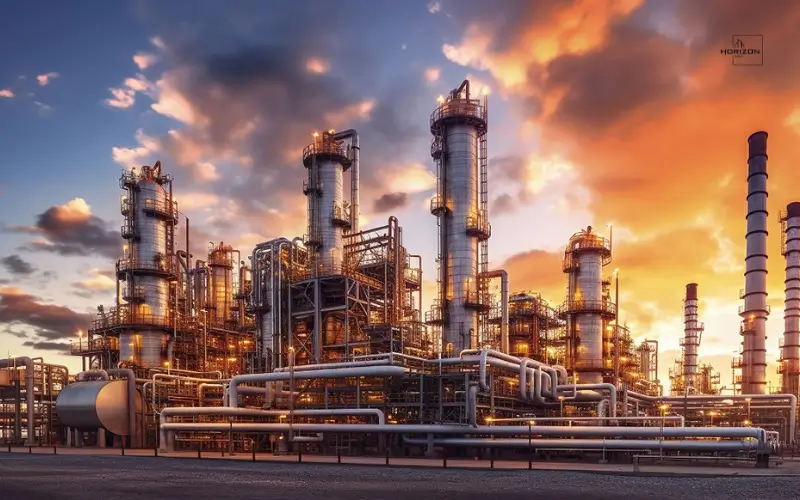
The industry of oil and gas industry works in the most difficult environments. Equipment has to endure high temperatures, high pressures, corrosive substances, and high temperatures. Casting spares are frequently utilized in valves, Flanges, or manifolds as well as in pumps, pipelines, and housing parts.
Steel castings as well as high-grade alloy castings are widely used in this industry due to their durability and resistance to corrosion. The precision of castings ensures that the parts meet the safety requirements and are able to perform under the most demanding working environments.
Power Generation and Energy Sector Applications
Power generation facilities like hydroelectric stations, thermal plants, as well as Renewable energy sources, depend extensively on casting spare components. Generator frames, turbine houses, impellers, and support structures are typically made with advanced casting methods.
Casting spare parts that are used in the power industry must exhibit excellent durability and resistance to fatigue, as well as the ability to maintain dimensional stability. Casting materials with high-performance maintain a consistent output of energy and the longevity of equipment, while reducing the amount of maintenance required and reducing operational risks.
Construction and Heavy Equipment Applications
Equipment for construction, like cranes, loaders, excavators, and bulldozers, relies on solid cast spare components to perform under the rigors of heavy loads and extreme environmental conditions. Parts such as counterweights and structural brackets, as well as gear housings and the hydraulic system components, are usually manufactured.
The casting process allows for the production of heavy-section pieces that are resistant to impact, so they are suitable for large infrastructure and construction projects. The spare parts they produce are made for continuous use in harsh shocks and harsh working conditions.
Mining Industry Applications
Mining equipment will withstand the rigors of mechanical stress, dust exposure, as well as Abrasive material. Casting spares are employed extensively in mills, crushers, conveyors, and drilling equipment.
Wear-resistant casting components like housings, liners, and structural components help increase the durability of equipment and decrease the time between maintenance. Particularly designed casting materials are chosen to increase toughness and resist wear and tear.
Agricultural Machinery Applications
The agricultural machinery works in a variety of environments, which include being exposed to water, soil, as well as mechanical stress. Casting spares are frequently utilized in harvesters, tractors well as plows and irrigation systems.
The components of the engine, such as gearbox housings, GS pump bodies, engine components, and the mounting structure, are typically made by casting techniques. They must be able to balance longevity in addition to cost effectiveness, which makes casting the most popular manufacturing option for equipment used in agriculture.
Hydraulic and Fluid Handling Systems
Hydraulic systems depend on precisely engineered casting spare parts for managing fluid flow and pressure. Manifolds, valve bodies, fittings, and sand pump housings are typically made using casting, due to their complicated internal geometry.
Casting can create smooth fluid channels as well as the same thickness of walls, which are essential to maintain high pressures and efficiency of the system. Casting components are utilized in different industries, such as construction, manufacturing, as well as energy.
Industrial Maintenance and Aftermarket Applications
Beyond the initial equipment manufacture, casting spare components is essential to the aftermarket repair and maintenance. A lot of industries rely on cast parts from aftermarket suppliers to prolong the life of equipment and cut down on replacement costs.
Casting spare parts from aftermarket sources is typically utilized for reconditioning equipment, restoring its performance, as well as supporting machinery that’s not in use anymore. The consistency of quality and the compatibility of materials are crucial in these situations.
Importance of Material Selection Across Industries
The widespread industrial usage of cast spare components is facilitated due to the wide range of casting materials. The ferrous casting material, such as cast steel and iron, is popular for wear strength, as opposed to non-ferrous ones, such as bronze and aluminum, which are selected for their resistance to corrosion as well as weight reduction.
By selecting the correct material, you can ensure that casting spare parts conform to specific performance standards and industry requirements.
Conclusion
Casting spares are vital for a wide range of sectors, from automotive as well as manufacturing to energy and oil, power generation, mining, agricultural, and. The ability of these parts to provide toughness, endurance, and design flexibility makes casting spare parts a vital component in industrial infrastructure.
When you understand the way casting spare parts apply across various sectors, companies are able to make educated sourcing and production decisions that enhance the reliability of equipment, efficiency in operation, as well as long-term performance.