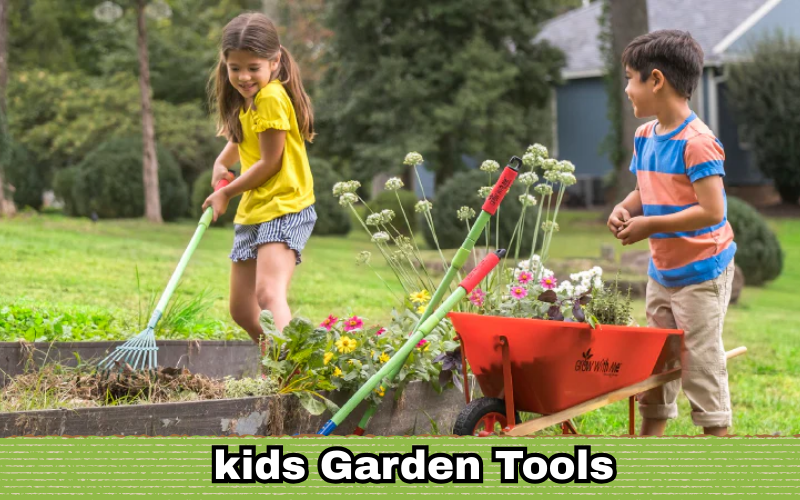
The children’s outdoor market has been growing well because of the emphasis of parents on practical learning and non-screen activities. Of these groups, kids garden tools have acquired a good momentum. There is an increase in the number of products made by retail brands that are child-friendly and that are available in seasonal collections.
Nevertheless, the sourcing of children-oriented sourcing tools warrants a lot more consideration than sourcing normal hardware. The standards of safety, quality of materials, ergonomics, and compliance with regulations should be taken into account. The retailers also have to strike a balance between profit margins and ethical product development.
This guide outlines how the retail brands will be able to source safe and profitable kids garden tools and preserve brand reputation and long-term commercial success.
Why the Kids Gardening Market Is Growing
Educational outdoor activities are what parents are seeking. Gardening instills patience, responsibility, and environmental consciousness. Child-friendly gardening kits are also promoted in schools and in community programs.
The entry of retail brands into this segment can be a stable demand. Several revenue streams are generated by seasonal promotions, gift packages, and educational packages.
Structured sourcing, however dependent on profitability. The low cost of production can lower initial expenditures but lead to more safety risks and returns. Safety should be at the forefront when using children’s garden tools.
Understanding Safety Requirements for Kids’ Garden Tools
When it comes to designing products that children are supposed to use, it is not a matter of negotiation where safety is involved. The tools must be age-related, lightweight, and devoid of any sharp or dangerous edges.
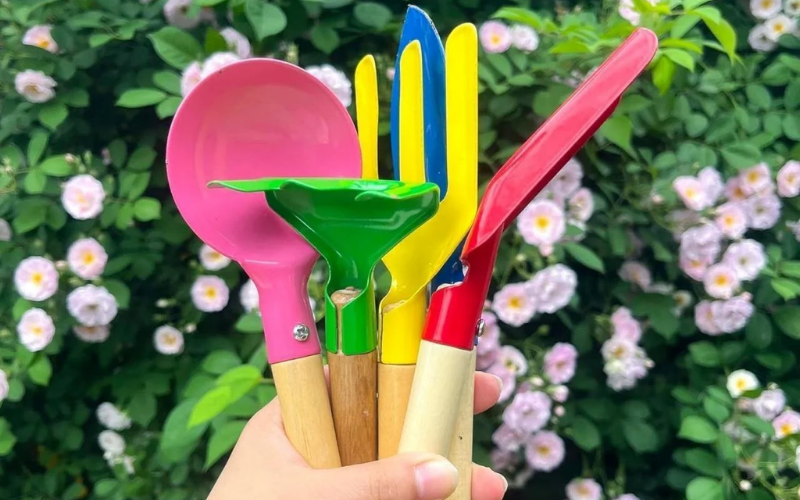
Retail brands should prioritize Safe gardening tools for kids that meet international product safety guidelines. Materials must be non-toxic. The paint coatings are to be child-proof. Edges have to be rounded and strengthened.
Critical Safety Features to Evaluate
- Smooth finishing and rounded edges on the tools.
- There are non-toxic materials and finishes.
- Lightweight reinforced handles
- Independent attachment of the metal and the handle.
- Sizing and weight that is age suitable.
Lack of safety may lead to recall of the products, reputation of the company, and legal issues as well.
Choosing the Right Manufacturing Partner
The choice of the appropriate partner in production is important. Many childrens garden tool manufacturers make adult tools and modify the design to suit children. The retail brands need to confirm that factories actually work with kid-safe products.
The manufacturers need to be experienced in the manufacture of outdoor products for children. This consists of documented safety testing, quality control systems, and explicit production procedures.
It is paramount that there is consistency between batches. Retail brands are not permitted to take any chances concerning safety standards.
Evaluating Product Design and Ergonomics
Children need the tools that are designed for smaller hands and a lower strength level. The direct effects of ergonomic design are usability and safety.
Mass production of kids garden tools should be requested as prototypes by retail brands. There should be an evaluation of grip comfort, weight balance, and thickness of the handle.
Tools that are not well-balanced are more likely to fall or be misused. Considerate ergonomics increases customer satisfaction and safety.
Balancing Cost and Profitability
Retail brands have to defend the margins and at the same time keep the quality. Obtaining cheap goods without due checks can increase the rates of returns.
Kids garden tools wholesale are the opportunities that are considered by many retailers to get competitive prices. Nonetheless, the entire process of wholesale sourcing must not interfere with the safety testing or quality of materials.
The cost analysis must include:
- Manufacturing cost per unit
- Cost of packaging and labeling.
- Shipping and logistics
- Quality inspection costs
- Effect of projected rate of returns
Profitability in the long term is important because of constant quality and not discounts in the short run.
Developing a Private Label Strategy
Retail competitiveness is built through brand differentiation. Retailing in Private label kids garden tools will give retailers the ability to manage the packaging, branding, and pricing strategy.
In private labeling, there must be effective communication with manufacturers. Colors of tools, location of the logos, and safety labeling should be standardized.
The packaging must also contain clear usage directions and age restrictions for the products in the retail brands. Open communication develops trust with parents.
Building Seasonal Product Bundles
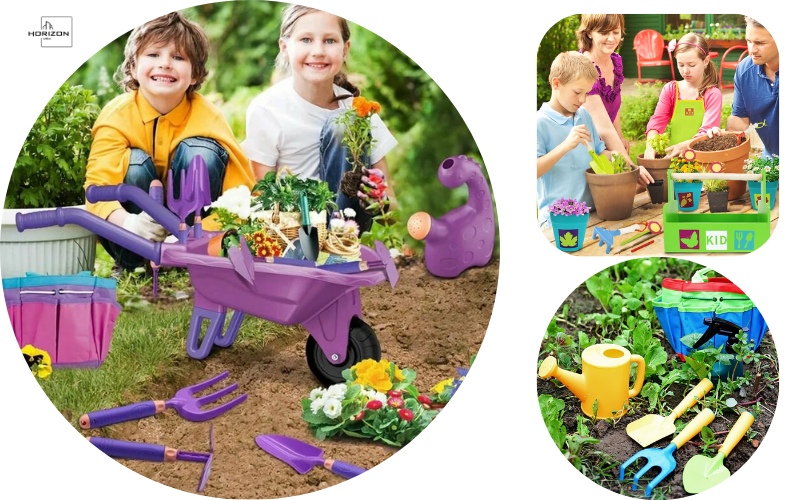
The use of bundled kits by retailers is frequently used to increase the average value of orders. Bulk kids gardening kits are a combination of tools, gloves, aprons, and bags.
Bundling offers convenience to the buyers and enhances the perceived value. Nonetheless, when sourcing bundled kits, component coordination is an essential aspect that needs to be carefully taken into account.
Components to Include in Profitable Kits
- Hand trowel
- Small rake
- Lightweight shovel
- Child-sized gloves
- Instruction guide
Bundled items should have the same safety standards for all the items that they include.
Quality Control and Testing Procedures
Quality control should be maintained even after choosing a manufacturer. Strength and durability tests should be done on pre-production samples.
Retail brands ought to introduce:
- Pre-shipment inspection in batches.
- Drop and stress testing
- Paint adhesion testing
- Handle strength evaluation
Written inspection processes minimize risk on products and safeguard branding.
Formal sourcing systems, such as those that Horizonusa adheres to, focus on supplier responsibility and quality gateways that are consistent. This is a disciplined method that will have a long term reliability.
Compliance and Certification Considerations
Additional compliance documentation may be necessary for children’s products. Retailers should ensure that products meet safety standards that are used in target markets.
The certificates of conformity, material testing, and chemical analysis documentation should be checked attentively.
The inability to ensure compliance puts retail brands at risk of legal and reputational consequences.
Packaging and Presentation Strategy
Visual image has a bearing on purchases. Retail performance can be enhanced by the use of bright colors, educational messages, and environmentally friendly packaging.
Packaging is, however, not supposed to undermine the safety of the products. Plastic wrapping is to be fast. Labels used should be understandable and resilient.
Retailers ought to experiment with the packaging durability during transit to avoid it being damaged during transit.
Supplier Diversification and Risk Management
Depending on one factory could enhance supply chain risk. Retail brands ought to look into having backup suppliers.
The diversification cushions against delays in production and capacity restraints. Nevertheless, several vendors need regular records and management.
Standardized specifications mean that all partners of production are of a similar quality.
Forecasting Demand and Inventory Planning
During spring and early summer, the seasonal demand for kids garden tools is generally high. Retail brands have to make production plans.
Proper forecasting eliminates shortages of stocks at peak times. However, excess inventory may be caused by overproduction.
Forecasting is data-driven, facilitating the accuracy of procurement and preserving margins.
Common Sourcing Mistakes to Avoid
Sourcing by retail brands is occasionally done haphazardly.
Avoid These Common Errors
- Violation of safety documentation.
- Finding the cheapest manufacturer unchecked.
- Skipping prototype testing
- The lack of quality checks at the batch level.
- Neglecting the packaging strength.
These errors can be avoided to save profitability and brands.
Long-Term Brand Value and Trust
Safety is the concern of the parents. Retail brands that provide reliable products over a period of time create good customer loyalty.
Spending on secure and well-designed children garden tools will improve brand reputation in the long-term. Favorable feedback and repurchases fortify retail development.
A short-term reduction in costs does not pay off very often.
Final Thoughts
There is a trade-off between safety and design of kids garden tools, cost management, and reliability of the supplier. Child safety needs to be of primary importance to retail brands without compromising profitability.
Through the choice of well-established manufacturers, the heavy quality control measures, and well-organized supplier management, the retailers have a chance to create a successful line of products that will attract the parents and help the company expand in the long run.
Safe sourcing builds trust. Credibility makes retail successful.
Frequently Asked Questions
Are kids garden tools required to meet specific safety standards?
Yes, children’s products should be in line with the safety and material requirements of the target markets.
How can retailers ensure product safety?
Through certification of safety, inspection, and collaboration with established manufacturers.
Is private labeling profitable in this category?
Yes, there is an opportunity to control the margin and brand differentiation with the help of private-label kids garden tools.
Should retailers source from multiple manufacturers?
Diversification minimises the supply risk but needs severe standardisation of quality.
When is the best time to stock kids’ gardening kits?
The demand is usually high prior to spring and summer, hence early procurement is necessary.